Stepping Into Aristocratic Sri Lanka
Sri Lanka’s cultural identity is deeply tied to its architecture, traditions, and social structures. Among the most iconic symbols of Kandyan heritage is the Walauwa — the ancestral mansion of nobility. These stately homes were not merely residences; they were living embodiments of prestige, artistry, and community. To understand life in a Kandyan Walauwa is to glimpse the rhythm of aristocratic Sri Lanka, where architecture shaped daily rituals and hospitality reflected cultural pride.
The Origins of the Walauwa
The Kandyan Kingdom, which flourished until the early 19th century, was renowned for its unique social hierarchy. At the top stood the nobility, whose homes — the Walauwas — were designed to reflect their status. Built with locally sourced materials such as timber, clay, and stone, these mansions were architectural marvels. They were spacious, elegant, and strategically planned to accommodate extended families, servants, and guests.
A Walauwa was more than a house; it was a symbol of authority. Its design communicated wealth and influence, while its rituals reinforced cultural continuity. Even today, surviving Walauwas stand as proud reminders of Kandyan heritage.
Architecture That Speaks of Prestige
Life in a Walauwa was shaped by its architecture. The layout typically included:
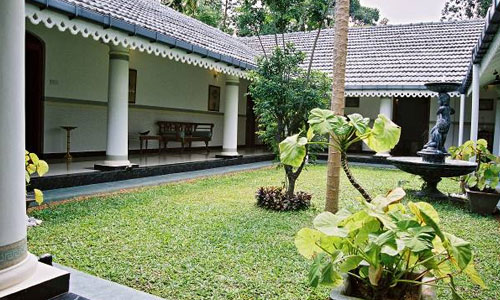
- Central Courtyard (Meda Midula): A gathering space for family events, rituals, and daily interactions.
- Verandas (Pila): Wide verandas surrounded the house, offering shade and a welcoming space for guests.
- Wooden Pillars and Carvings: Intricate craftsmanship reflected the artistry of Kandyan builders.
- Separate Kitchens and Storerooms: Designed to accommodate large households and frequent feasts.
The architecture was not only functional but symbolic. The grandeur of the Walauwa reinforced the family’s social standing, while its design facilitated hospitality — a cornerstone of Kandyan culture.
Daily Life in a Kandyan Walauwa
Life inside a Walauwa was a blend of tradition, ritual, and community.
- Family Gatherings: Extended families lived together, with grandparents, parents, and children sharing the same household. Meals were communal, often centered around rice and curry served in clay pots.
- Ceremonies and Rituals: Religious observances, ancestral rites, and cultural festivals were integral to Walauwa life. The home itself became a stage for rituals that reinforced identity.
- Hospitality: Guests were welcomed with generosity. Offering food, tea, and conversation was a mark of respect and prestige.
- Servants and Workers: Large households employed cooks, gardeners, and attendants, reflecting the scale of aristocratic living.
The Walauwa was not just a private residence; it was a hub of social and cultural activity.
The Role of Women and Men
Gender roles in Walauwa life were distinct yet complementary. Men often managed land, politics, and external affairs, while women oversaw household rituals, food preparation, and family traditions. Women played a crucial role in preserving cultural practices, ensuring that heritage was passed down through generations.
Food and Festivities
Cuisine was central to Walauwa life. Meals were elaborate, featuring rice, curries, sambols, and sweets prepared with locally grown spices. Hospitality demanded abundance, and feasts were common during festivals and ceremonies.
Festivities such as weddings, New Year celebrations, and religious observances transformed the Walauwa into a vibrant cultural hub. Music, dance, and drumming filled the courtyards, while guests enjoyed lavish meals.
Manor House Kandy: A Modern Walauwa Experience
Today, Manor House Kandy offers guests the rare chance to experience life in a Kandyan Walauwa. The property preserves the architectural elegance of the past while blending it with modern luxury. Guests can walk through verandas, admire antique furnishings, and dine in heritage halls that echo centuries of tradition.
Staying at Manor House is not just about accommodation; it is about immersion. Visitors experience the rhythm of Walauwa life — communal dining, cultural storytelling, and the ambience of aristocratic heritage.
Why Understanding Walauwa Life Matters
In today’s fast‑paced world, heritage often risks being overshadowed by modernity. Yet, understanding life in a Kandyan Walauwa offers valuable insights:
- Cultural Identity: It connects Sri Lankans to their roots, reinforcing pride in tradition.
- Architectural Heritage: It highlights the artistry of local craftsmen and builders.
- Hospitality Values: It reminds us of the importance of generosity and community.
For travelers, learning about Walauwa life enriches their journey, offering depth beyond sightseeing. For locals, it is a reminder of traditions worth preserving.
Guest Reflections
Guests who stay at Manor House often describe their experience as transformative. They find themselves transported into a different era, where architecture, cuisine, and hospitality create a holistic cultural immersion. Couples appreciate the romantic ambience, families enjoy the educational aspect, and solo travelers discover a sense of connection to Sri Lanka’s roots.
Preserving Walauwa Heritage
Preservation is key to keeping Walauwa heritage alive. Manor House Kandy plays a vital role in this effort, maintaining its structure, curating cultural experiences, and sharing stories with guests. By choosing to stay here, travelers contribute to the preservation of a cultural treasure.
Living Heritage
Life in a Kandyan Walauwa was a tapestry of tradition, hospitality, and artistry. It was where families gathered, rituals were performed, and culture thrived. Today, Manor House Kandy offers guests the chance to step into this heritage, experiencing the grandeur of aristocratic life while enjoying modern comforts.
To stay here is to live history — to walk through verandas that have witnessed centuries, to dine in halls that echo with stories, and to carry home memories that connect past and present. The Kandyan Walauwa is not just a relic of history; it is a living heritage, and Manor House Kandy ensures that its story continues.